Rattan vs Aluminium Garden Furniture: Which Is Better?
Neither material wins outright. Choose rattan-style furniture if you want deep cushions and a soft, woven look. Choose aluminium if you want a slim frame that will not rust and is easy to carry about. Both can last for years with sensible care, and many sets combine the two, with a woven finish wrapped around an aluminium frame.
The right answer for your garden depends on what sits under the surface, so it helps to know what each name covers.
What garden rattan is made from
Natural rattan is a climbing palm, and it suits indoor rooms and sheltered porches. Almost everything sold as outdoor rattan is a synthetic PE (polyethylene) weave wrapped around a metal frame, usually aluminium or steel. The weave and the frame age at different speeds. The weave sheds water and wipes clean, while the frame decides whether rust is a risk.
Quality varies a great deal. Look for even tension in the strands, tidy finishing at the joins and a frame that does not flex when you lean on it. You can compare styles in our rattan garden furniture collection.
What is aluminium garden furniture?
It is furniture with a frame, and sometimes slats or a tabletop, made from aluminium. The metal is light and does not rust. It can oxidise, which shows as a dull, chalky surface, and powder-coated finishes can chip if the furniture is knocked or dragged across paving. Makers use it for slatted chairs, cast-effect pieces and slim dining frames.
Our aluminium garden furniture page shows the range. Because the metal is light, it is the easier of the two to rearrange when guests arrive, and the harder to keep still in a gale.
How do rattan and aluminium compare?
| Factor | Rattan-style weave | Aluminium |
|---|---|---|
| Look | Textured, soft and informal | Clean lines and a slimmer profile |
| Weight | Light to medium, depending on the frame | Light and easy to rearrange |
| Rust | Depends on the frame, as aluminium does not rust and steel can | None |
| Weak spot | Weave can fray or snag, and cushions wear | Powder coat can chip and the surface can oxidise |
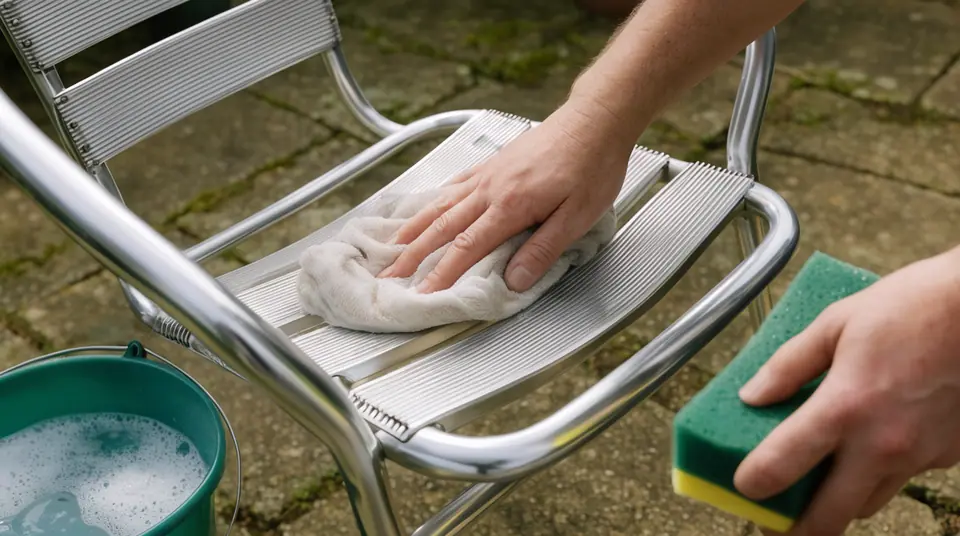
| Cleaning | Soft brush and mild soapy water | Cloth and mild soapy water |
| Comfort | Usually cushioned and deep | Often slatted, with cushions optional |
Comfort, style and where each fits best
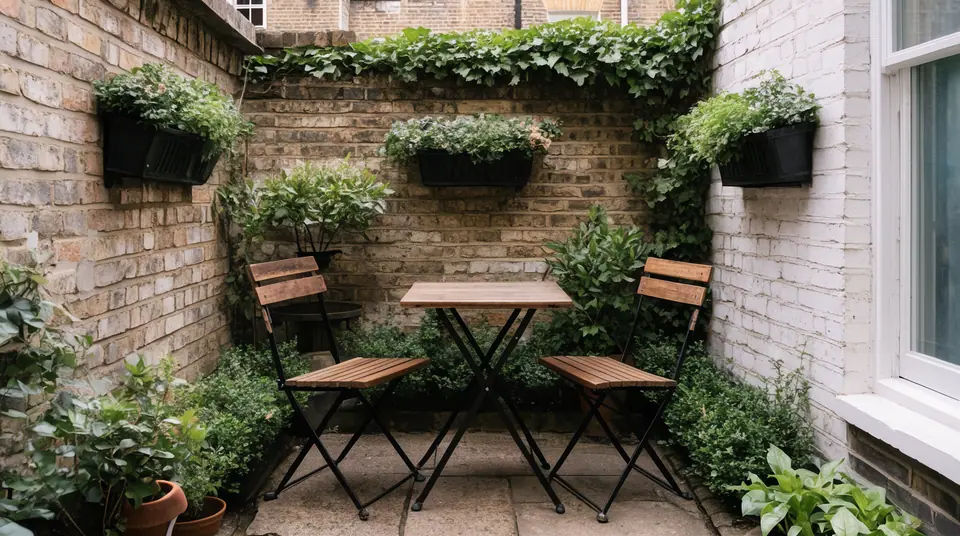
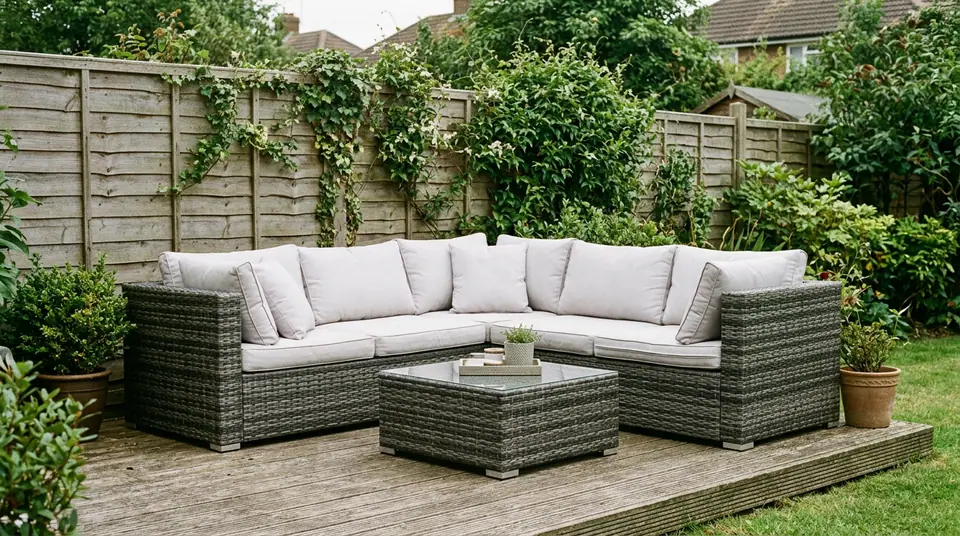
Rattan-style weave tends to suit deep sofas, corner sets and lounge seating, where the cushions do the work. It reads as relaxed and softens hard paving, so it helps a patio that feels stark. Aluminium suits dining sets, bistro chairs and modern patios, where a slim frame keeps the area looking open.
Colours differ too. Weave sets lean towards greys, browns and natural tones, while aluminium leans towards black, graphite and white. A dark frame hides marks better than a pale one, and cushions in a matching colour family make either look tidy.
Which copes better with British weather?
The frame matters more than the label. A weave over an aluminium frame has no rust risk from the frame at all. A weave over steel is fine while the coating stays whole, but rust can start at a scratch and spread under the weave where you cannot see it. Solid aluminium avoids the problem, though bird droppings and grime can mark any finish, so wipe it down.
Strong sun can fade some colours over several seasons, whichever you buy. Our weather resistant garden furniture page lists what to look for. Light pieces of either kind can slide about in a gust, so a sofa with a solid frame usually stays put better than a thin folding chair.
Cushions are the weak point of both, because the frame may shrug off a wet week and the foam will not. Plan to store them dry from autumn to spring.
Which is easier to move and store?
Aluminium is the easier material to rearrange, which helps when you clear the patio for a party or sweep underneath. Many aluminium chairs fold or stack. Weave sofas and corner sets tend to be bulkier, so plan where they will sit for most of the year and where their cushions will go in winter.
Weave can snag on rough paving, so lift pieces and do not drag them. Feet pads protect both the weave and the surface under it.
Can you paint or repair rattan furniture?
Painting a faded weave
You can paint rattan if the weave is synthetic. Wash it, let it dry fully, and rub it down lightly so the paint can grip. Use a paint made for plastics, and test a hidden strand first. The weave flexes when people sit down, so the paint may crack or wear, and you might need to recoat it after a season or two. Natural cane needs a different product, so check what you own before you buy a tin.
Repairing frayed or broken strands
Small faults are easy to fix. Tuck a frayed end back into the weave so it stops snagging, and secure loose strands at the joins with the fixings the maker recommends. A split or broken section is harder. Ask the seller whether replacement parts or panels exist. A sagging or broken frame is a bigger job than weave repair and may not be worth the cost.
Which suits your garden and habits?
If you spend long evenings outside with friends, a rattan-style corner or sofa set is the more comfortable choice. Browse garden sofa sets to see how deep the seats go. For regular meals outside, aluminium dining chairs pull out easily and wipe clean after dinner.
An exposed or windy spot calls for a comparison of weights, since a heavy frame resists a gust better. If you have little time for care, an aluminium frame wiped a few times a year asks for the least.
Whichever you choose, ask what the frame is made from, whether the weave sits firmly at the joins, and whether you can buy replacement cushion covers. Follow the care instructions that come with the set, because they outrank any general advice.