
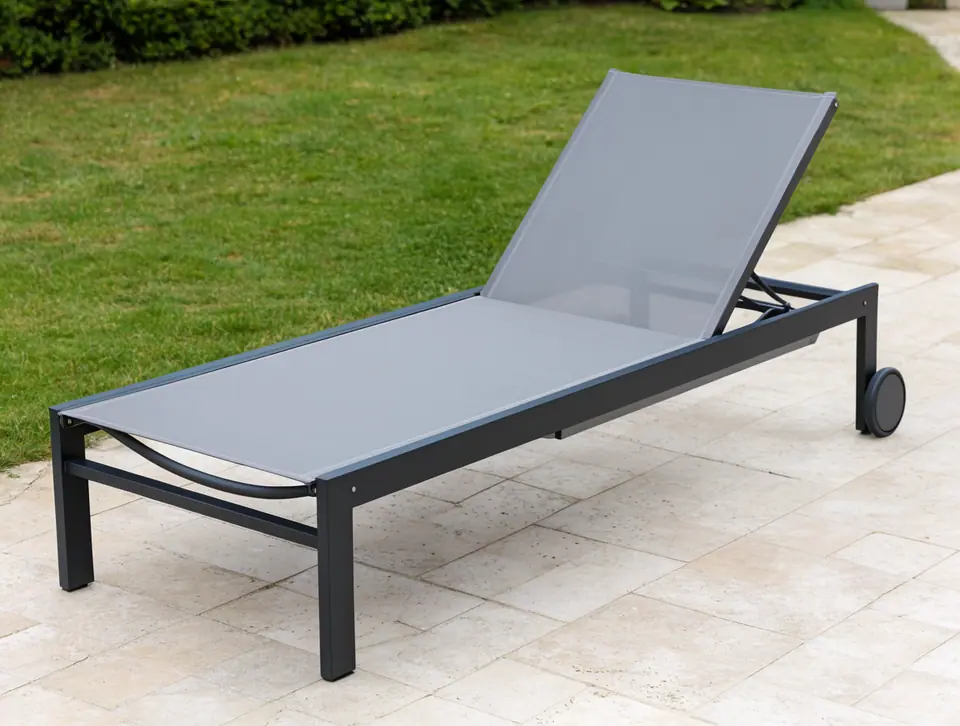
 Sale sample
Garden Sun Loungers
Garden sun loungers are reclining outdoor beds for sunbathing, reading and relaxing. This page compares folding, adjustable and daybed styles, and shows how frames, seats and storage affect comfort and upkeep.
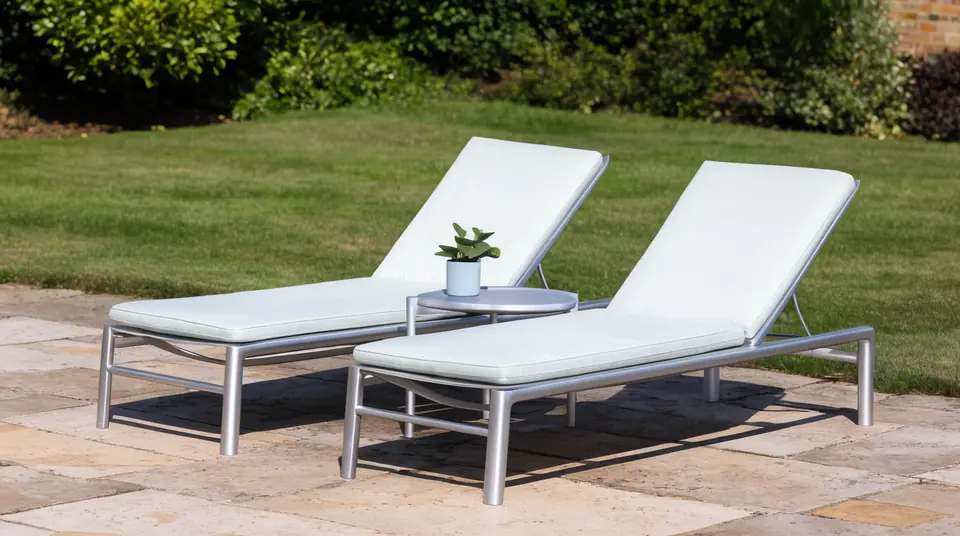
Sample products
2 sample products
Sale sample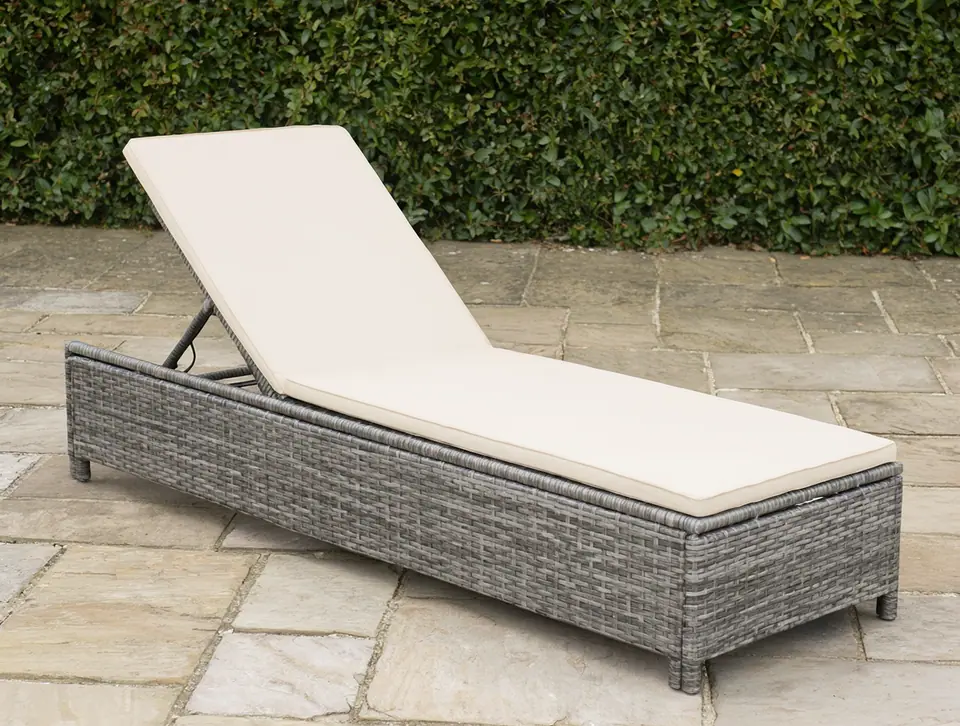
No sample products match those filters. Try clearing one or two.
Folding, adjustable and daybed sun loungers
A sun lounger is a long, reclining seat for lying down or half-sitting. Most have an adjustable back that moves between a few positions.
- Folding loungers collapse flat, so they store easily, but the padding is often thin.
- Adjustable loungers use a ratchet or strap system to set the backrest angle.
- Daybeds are wider, often with a canopy, and need far more floor space.
- Rattan-style loungers have a woven frame and thick pads. See rattan garden furniture for how the weave behaves.
Frames and seats for sun loungers
| Option | Good for | Think about |
|---|---|---|
| Aluminium frame | Light weight and no rust | Powder coat can chip |
| Steel frame | Strength | Rusts where the coating is damaged |
| Textilene or sling seat | Dries quickly and breathes | Less padding |
| Cushioned seat | Comfort | Needs dry storage |
If you want a light frame that is easy to carry, aluminium garden furniture explains the trade-offs.
How much space does a sun lounger need?
A single lounger is around 190 to 200 cm long. Add room to walk round it and to raise the backrest. Place it on a level surface, because lawn feet sink in wet weather. Many people set loungers side by side facing the same way, which needs about a metre of width each. Leave a little extra if you want a small table between them.
Cushion or sling seat, which is easier to live with?
A cushioned seat feels softer but must be dried and stored out of the rain. A sling or textilene seat dries in minutes and wipes clean, though it feels firmer against the back. If you sunbathe for hours, a thin pad on a sling seat is a useful middle ground. Our garden furniture cushions page covers sizes and fillings.
Leaving sun loungers outside in winter
The frame often can stay out, but a ventilated cover from outdoor furniture covers protects it without trapping damp. Fold the lounger or lower the backrest first so the cover sits properly. Weight limits vary a lot, so read the figure on the product page along with the dimensions and care instructions.
Common questions about garden Sun Loungers
How much space does a sun lounger need?
A lounger is typically around 190 to 200 cm long. Allow extra room to walk round it and to raise the backrest. Check the product dimensions.
What weight can a sun lounger hold?
It varies by product. Check the weight limit stated on the product page.
Are sun loungers heavy to move?
Aluminium and folding designs are light enough to carry one-handed. Steel frames and daybeds are heavier, and wheels on one end help.
Can I use a sun lounger on a lawn?
You can, but feet sink in damp ground and the grass underneath suffers. Paving or a timber deck stays level and drains better.
Buying guides that can help
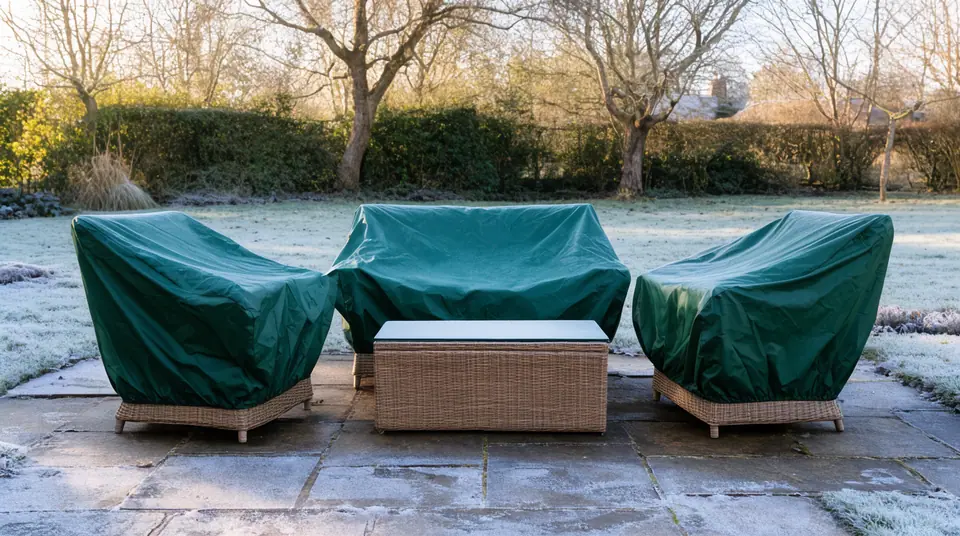
How to Protect Outdoor Furniture During Winter
Clean it, dry it, store the cushions, cover it well and tie it down so winter weather and storms do little harm.
Read Guide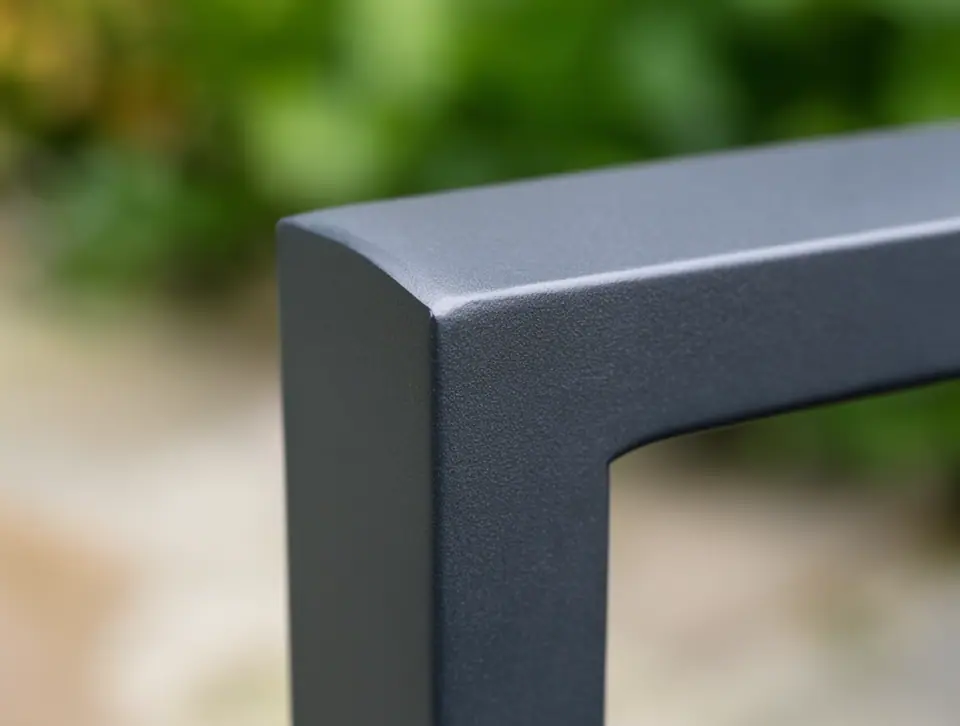
Garden Furniture Materials Explained
What synthetic rattan, aluminium, steel, teak, acacia and resin are made of, how they age and how much upkeep they need.
Read Guide