
 Clearance sample
Wooden Garden Furniture
Wooden garden furniture covers dining sets, benches, chairs and tables made from hardwood or treated softwood. This page compares the common timbers, explains greying and shows how to oil wood to keep it looking good.
Sample products
Filter products
4 sample products
Clearance sample Clearance sample
 Clearance sample
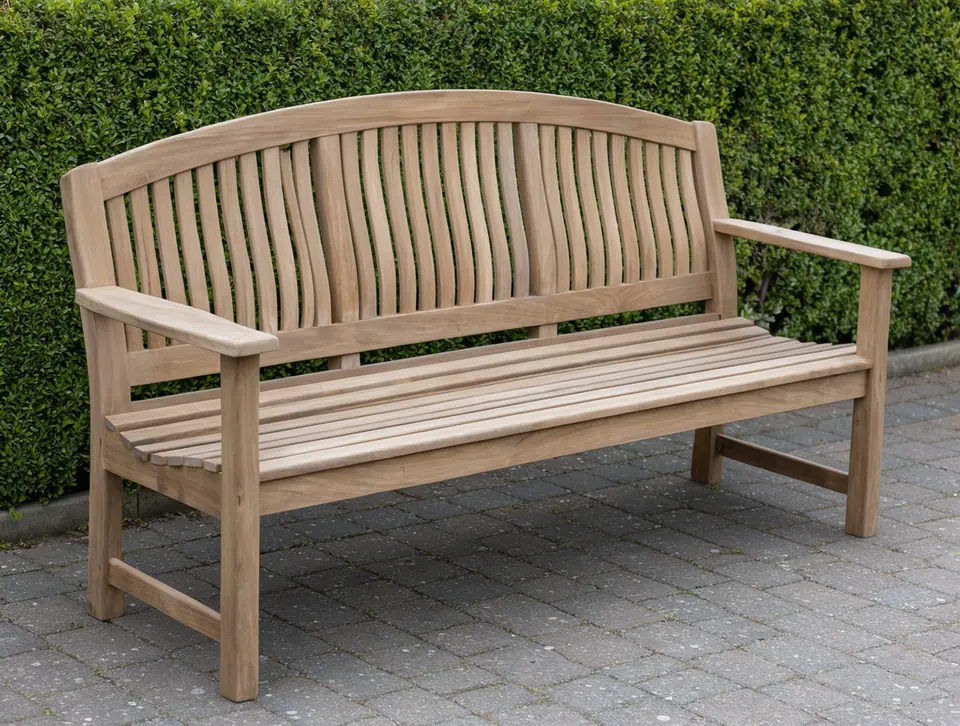
No sample products match those filters. Try clearing one or two.
Is acacia good for outdoor furniture?
Acacia is a dense hardwood that handles outdoor use well when it is cared for. It has an attractive grain and resists knocks. Unlike teak it holds less natural oil, so it benefits from a coat of furniture oil once or twice a year to slow cracking and greying.
Look for kiln-dried timber with tight joints, because wood that dries unevenly after purchase can split.
Teak, acacia, eucalyptus and pine compared
| Wood | Type | Notes |
|---|---|---|
| Teak | Hardwood | Naturally oily and durable, and it weathers to silver-grey |
| Acacia | Hardwood | Dense and attractive, so oil it to protect the colour |
| Eucalyptus | Hardwood | Hard-wearing, and oiling helps |
| Pine or fir | Softwood | Needs treatment or stain to resist damp |
Teak needs the least looking after and suits owners who want to leave it alone. Acacia and eucalyptus ask for a little more oil. Softwood is lighter and usually cheaper to buy but needs regular treatment to cope with rain.
Why has wooden garden furniture turned grey?
Sunlight and rain bleach the surface of untreated hardwood to a silver-grey. It is a change of colour and not a sign of failure, and many people like the look. Small surface cracks also appear as wood dries and takes up moisture, and they often close again.
Large splits, loose joints and soft patches are worth checking, because they point to rot. Rub a little with a screwdriver tip. Wood that gives way is damaged.
Oiling wooden garden furniture step by step
- Brush off dirt and leaves, then scrub with mild soapy water and a soft brush.
- Rinse and let the wood dry fully, which takes a day or more.
- Rub down greyed areas lightly with fine sandpaper along the grain.
- Apply teak oil or the maker's recommended product thinly with a cloth.
- Wipe off the excess after about 20 minutes so it does not turn sticky.
Follow the instructions on the tin, and wear gloves. Oily rags can heat up as they dry, so lay them flat outdoors to dry before you bin them.
Wooden sets on decking and patios
Yes. Wood is heavier than aluminium, so it stays put in wind, and it feels warm to sit on in sunshine. Keep the feet out of standing water by using pads or a slightly raised base. Wooden garden benches and garden dining sets both sit well in traditional or cottage-style gardens.
If upkeep worries you, compare with garden furniture materials explained. Check dimensions, weight limits and care instructions on each product page.
Common questions about wooden Garden Furniture
Does wooden garden furniture need oiling?
Not always. Hardwoods weather to silver-grey if left alone, which some owners prefer. Oiling keeps the original colour and slows cracking.
Should I use teak oil on all hardwood furniture?
Teak oil suits many hardwoods, but check the maker instructions first. Some finishes are made for specific timbers.
Can wooden furniture stay outside in winter?
Hardwood can, with a ventilated cover and dry storage for cushions. Plastic sheeting that traps damp does more harm than good.
How do I restore faded wooden furniture?
Clean it, let it dry and sand lightly along the grain. Then apply oil in thin coats until the colour evens out.
Buying guides that can help
Garden Furniture Materials Explained
What synthetic rattan, aluminium, steel, teak, acacia and resin are made of, how they age and how much upkeep they need.
Read Guide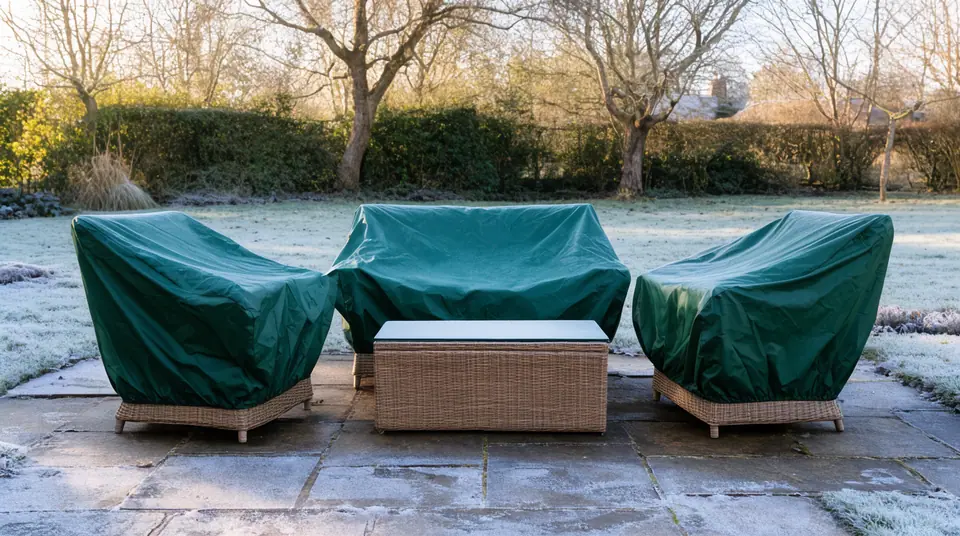
How to Protect Outdoor Furniture During Winter
Clean it, dry it, store the cushions, cover it well and tie it down so winter weather and storms do little harm.
Read Guide