
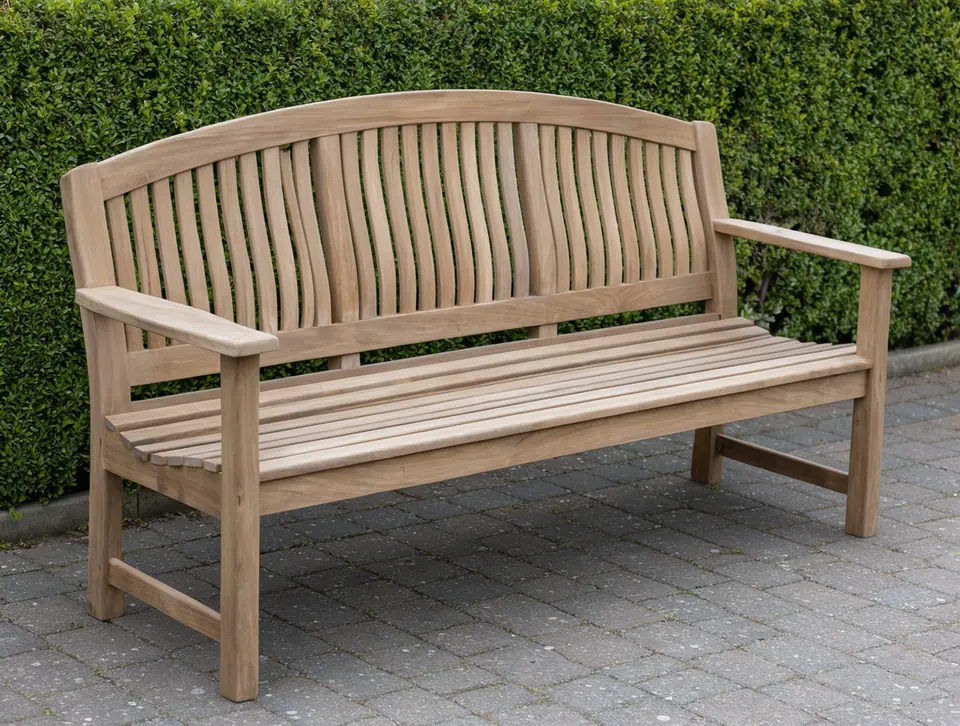
Garden Benches
Garden benches are outdoor seats for two to four people, made from wood, metal or composite. Compare plain, armed and storage designs, and see what to check before placing a bench on a patio, lawn or path.
Sample products
2 sample products
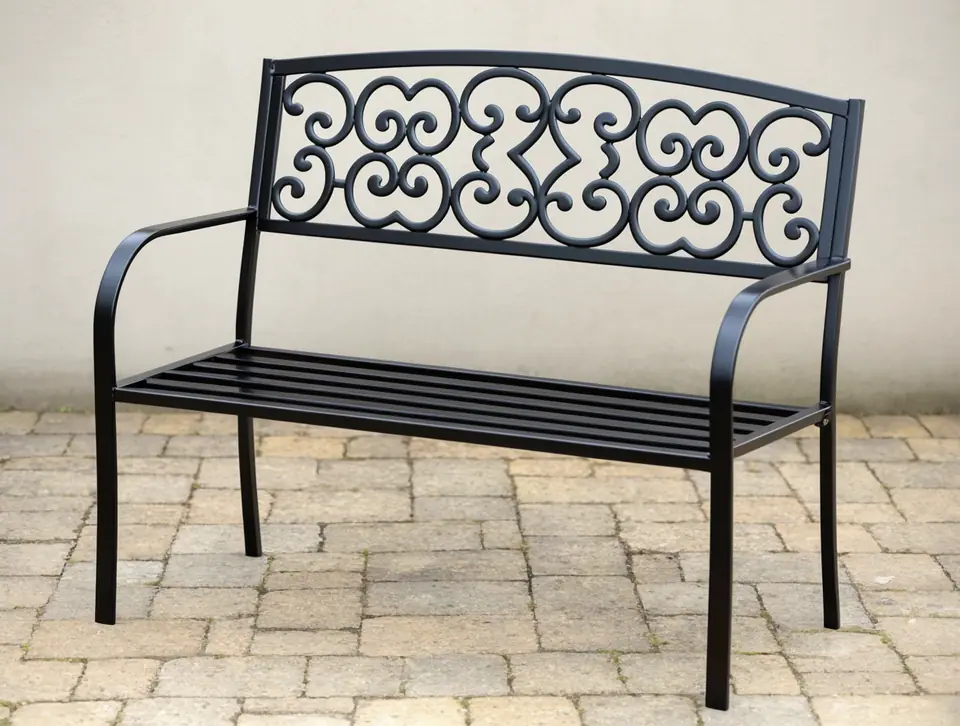 Sale sample
No sample products match those filters. Try clearing one or two.
Where should you put a garden bench?
A garden bench looks best at the end of a path, under a window or beside a pond, where it gives a reason to stop and sit. Pick firm, level ground. Paving slabs or a gravel pad suit a bench better than soft lawn, where the feet sink and wooden legs can rot.
- Choose a spot with some shade, since metal gets hot in direct sun.
- Leave a gap behind or beside the bench for clipping hedges and mowing.
- Check the product for fixing points if you want to bolt it down.
Two, three and four seater benches
Two-seater benches suit small gardens and quiet corners. Three-seaters are the usual patio choice and sit two adults and a child. Four-seaters are rarer and look best on larger terraces or along a long wall.
Seat counts are optimistic, so read the width and the weight limit on the product page. Our guide to garden furniture for small gardens has ideas if space is short.
Is a wooden or metal garden bench better?
Wooden garden furniture gives a bench a traditional look. Hardwoods weather to silver-grey unless oiled, and softwoods need a protective treatment. Metal garden furniture in steel, wrought iron or cast iron looks ornate and is heavy enough to stay put, but steel rusts where the coating is damaged.
Aluminium benches are lighter and do not rust, though the powder coat can chip. A light bench is easy to move for lawn cutting but may need weighting in an exposed spot.
Storage benches and dining benches
A storage bench has a hinged lid over a compartment, handy for cushions or small tools. Check that the box is ventilated, because a sealed box holding damp cushions turns musty. Most are not designed to hold wet items.
A dining bench is backless and slides under the table, which saves space and seats an extra person at each side. It suits short meals better than long ones, since there is no back support.
Keeping a bench steady and tidy
Brush off leaves and dirt through the season and treat wood as the maker advises. Check bolts a few times a year, especially after winter, because frames loosen with use. Lift wooden legs off wet ground with pads where the design allows.
A cushion makes a bench more comfortable, and it should be stored dry. Dimensions, weight limits and care instructions differ by product, so check each product page.
Common questions about garden Benches
How many people does a garden bench seat?
Two-seaters suit two adults, and three-seaters take two or three. The product page lists the width and weight limit, which tell you the practical capacity.
Can I leave a wooden bench outside all year?
Many are made for it. Oiling or treating the wood extends its life, and untreated hardwood turns silver-grey.
Can I fix a garden bench to the ground?
Some have fixing holes in the feet. Check the product and your surface, since paving and concrete suit bolts and soft ground does not.
Do garden benches need cushions?
No, but slatted seats feel firm after a while. A pad helps and can be taken indoors between uses.
Buying guides that can help
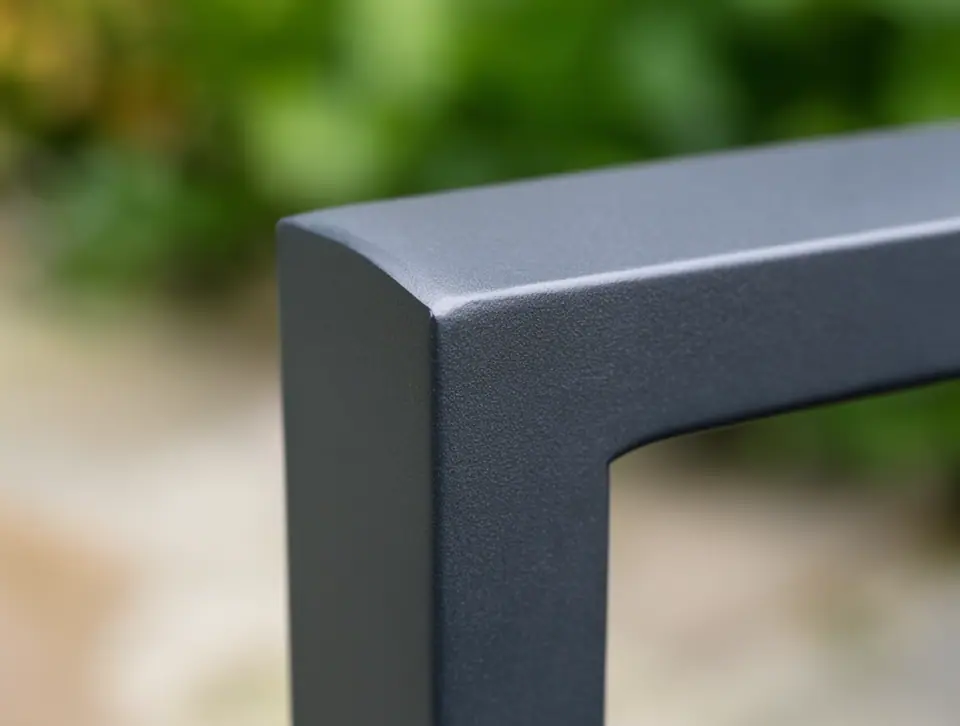
Garden Furniture Materials Explained
What synthetic rattan, aluminium, steel, teak, acacia and resin are made of, how they age and how much upkeep they need.
Read Guide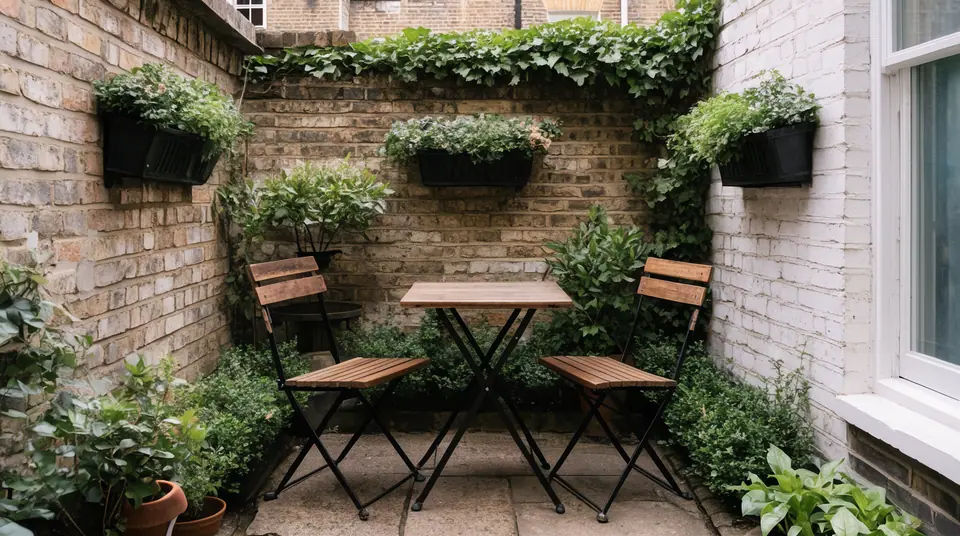
The Best Garden Furniture for Small Gardens
A bistro set, a slim bench and a couple of folding chairs usually suit a small garden better than a shrunken dining set.
Read Guide