Garden Furniture Materials Explained
Garden furniture materials differ mainly in weight, rust risk, upkeep and looks. Synthetic rattan-style weave is light and comfortable, and aluminium does not rust. Steel is strong but rusts where its coating is damaged, and hardwoods such as teak and acacia weather to silver-grey unless treated. No material suits everyone, so match one to your garden and your appetite for maintenance.
A quick comparison of the main materials
| Material | Weight | Rust risk | Upkeep | Look |
|---|---|---|---|---|
| Rattan-style weave | Light to medium | Depends on frame | Low | Textured and informal |
| Aluminium | Light | None, but can oxidise | Low | Slim and modern |
| Steel | Heavy | Yes, where coating is damaged | Medium | Sturdy and classic |
| Teak | Heavy | None | Low to medium | Warm, ageing to silver-grey |
| Acacia | Medium to heavy | None | Medium to high | Warm, ageing to silver-grey |
| Resin or plastic | Light | None | Low | Practical and simple |
What is rattan-style garden furniture?
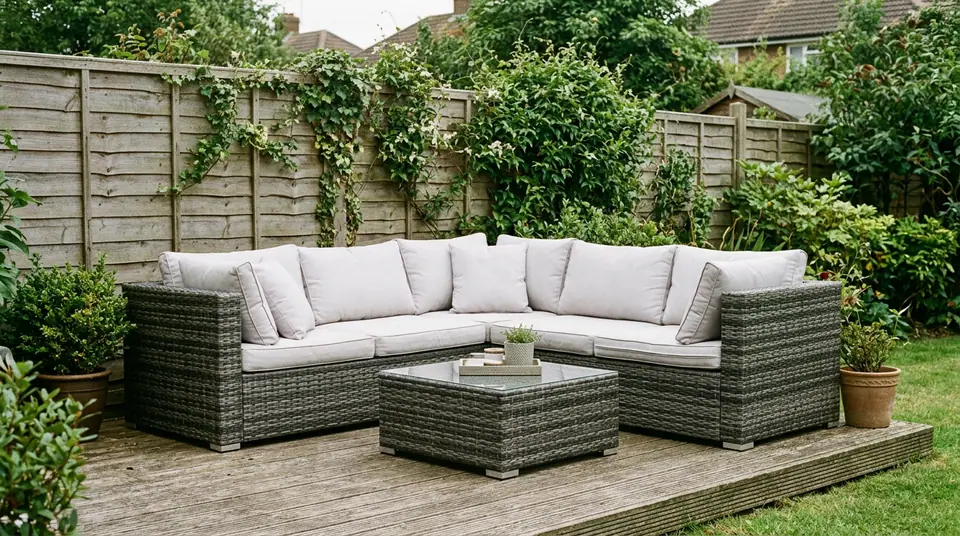
Natural rattan is a palm cane that suits indoor use. Garden rattan is almost always a synthetic PE (polyethylene) weave over a metal frame. The weave handles moisture and wipes clean easily. Look beneath it, because an aluminium frame resists rust while a steel frame needs its coating kept whole. Even tension and neat finishing at the joins are good signs of quality.
Compare styles in our rattan garden furniture collection, or see rattan vs aluminium garden furniture for a direct match-up.
What is aluminium garden furniture?
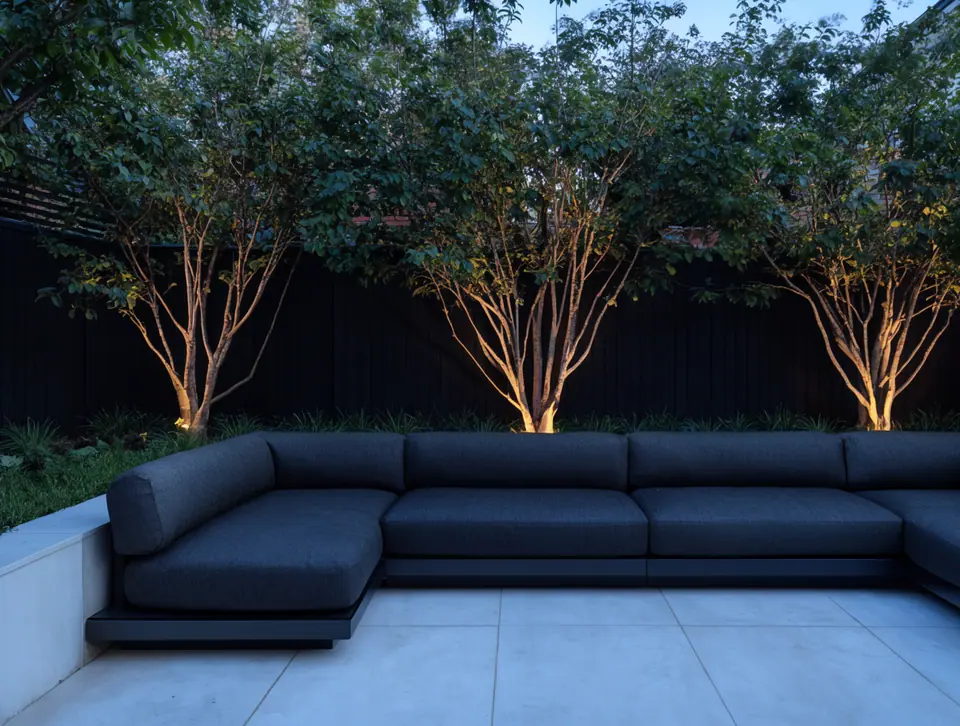
It is furniture built on a light, strong, rust-free metal, popular for dining chairs, loungers and slim-framed sets. Bare aluminium can oxidise and leave a dull film, and powder-coated finishes can chip when struck, which exposes the metal. Mild soapy water and a dab of touch-up paint deal with both. Because it is light, check wind stability on exposed patios. Browse aluminium garden furniture for examples.
Does steel garden furniture rust?
It can. Steel feels sturdy and is often good value, and it is usually powder-coated or galvanised for protection. Once a scratch or chip lets moisture in, rust can spread underneath the finish. Check the set each season and treat spots straight away.
The extra weight steadies the furniture in wind but makes it harder to move. See metal garden furniture for the main types.
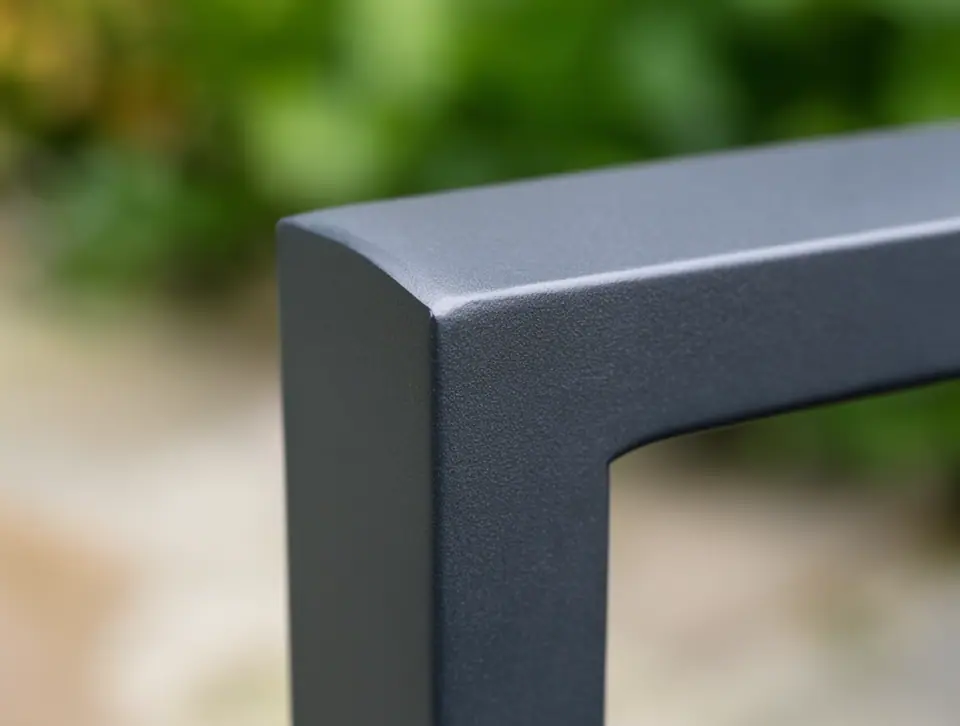
The finish matters as much as the metal. Powder coating is a layer of baked-on polymer that gives a smooth, even colour. Galvanising is a zinc layer that protects steel even where it is lightly scratched. Either can fail if it is deeply chipped, so ask which finish a set uses and how the seller suggests you touch up damage.
Is teak or acacia better for outdoor furniture?
How teak behaves outdoors
Teak is a dense hardwood with natural oils, and it is among the most weather-tolerant woods. Left alone it fades to silver-grey, which is a change of colour and not a sign of failure. Some makers advise against oiling outdoor teak, so check the care guide before you open a tin. It tends to cost more than other woods, and it is worth asking where the timber came from.
Is acacia wood good for outdoor furniture?
Yes, with conditions. Acacia is hard and attractive, and it is often used to give a teak-like look for less money. It generally needs more upkeep than teak, with regular sealing or oiling and attention to splits and damp at the feet. It also turns silver-grey if left alone. The care guide for the exact set should decide how often you treat it.
Eucalyptus, pine and resin
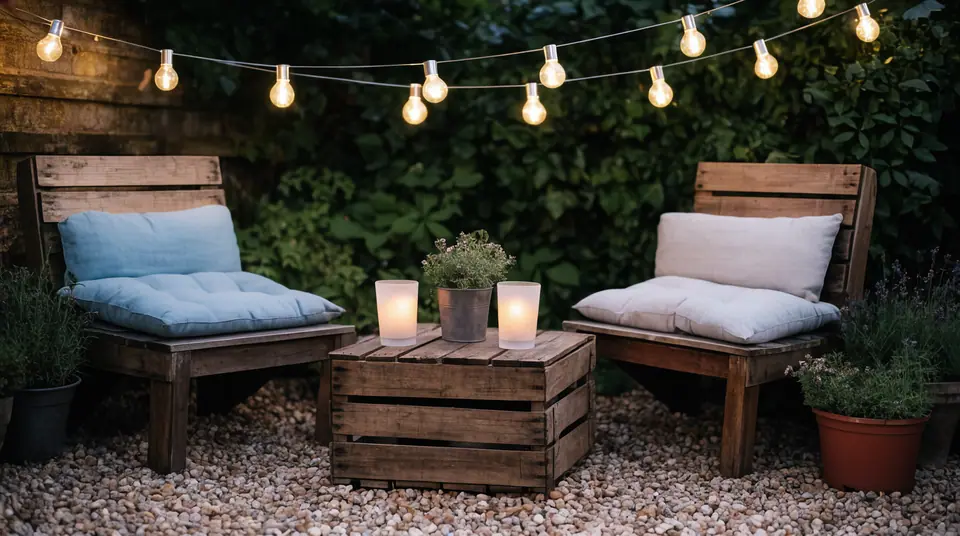
Softer timbers such as pine usually arrive pre-treated and need regular re-treatment with a preservative or stain. Eucalyptus sits between pine and the hardwoods. These woods can be good value if you count the finish as a running cost. Browse wooden garden furniture to compare timbers.
Moulded resin and plastic are light and easy to wash. They can fade or turn brittle in strong sun over many years, and light pieces blow about. They suit occasional use and children's play areas.
Look at the thickness of the plastic and the shape of the legs. Ribbed or braced designs resist flexing, and a pale colour shows dirt but fades less obviously than a dark one. Stack chairs when you can, because stacking keeps them from blowing across the lawn.
Fabrics and tabletops
Fabric matters as much as the frame for comfort. Look for outdoor-rated, water-resistant or quick-dry cloth, removable covers and filling that dries well. Cushions still need storing in wet weather, and our garden furniture cushions page helps if you need replacements.
Toughened glass wipes clean and looks light, though it shows marks. Ceramic and composite tops resist heat and scratches better. Slatted metal or wood tops let rain drain through. Check the weight of any top if you plan to move the table.
How do you choose between them?
Start with exposure. A windy or coastal garden suits a heavier frame, and any rust-prone metal needs checking more often. Then think about time. If you will never oil wood, avoid acacia or accept the grey. If you cannot store anything, favour materials that tolerate being left out. Aluminium, hardwood and weave on an aluminium frame are the usual candidates.
Coastal gardens ask more of a finish. Salt in the air speeds up corrosion wherever a coating is damaged, so rinse metal frames with fresh water now and then and inspect them often. Wood and weave cope better, though salt marks wash off more easily when they are fresh.
Use matters too. Dining wants sturdy chairs and an easy-wipe table, while lounging wants good cushions. Budget comes last, since cheaper metal can cost more in upkeep over the years. Finally, ask what the frame is made of, how the finish is applied and what the maker says about care. Those answers tell you more than the headline material.
If two sets seem equal, pick the one with replaceable parts. Cushion covers, feet caps and spare screws extend the life of any frame. A seller that can supply them has thought about how the set will be used in year five and not only on day one.