Can Garden Furniture Stay Outside All Year?
Some garden furniture can stay outside all year, but it depends on the material, the finish and how exposed your garden is. Aluminium, good hardwood and synthetic weave over a rust-proof frame generally cope, especially under a breathable cover. Cushions, folding chairs and bare steel do better stored away through the wet months. Follow the manufacturer's care instructions in every case.
What weatherproof means on a label
Terms such as weatherproof and weather resistant suggest a product suits outdoor use. They do not promise it will look new after years of rain, frost and sun. Every outdoor surface weathers a little. The practical question is whether yours will weather in a way you can live with, or rust, rot, warp and fade in a way you cannot.
Ask the seller what the frame is made from and how the finish is applied. Those two answers say more than the word on the box.
Think about your own garden as well. A sheltered courtyard behind a house is gentler than an open lawn with no fence. The same set can last well in one and struggle in the other.
Which materials cope with year-round weather?
Aluminium
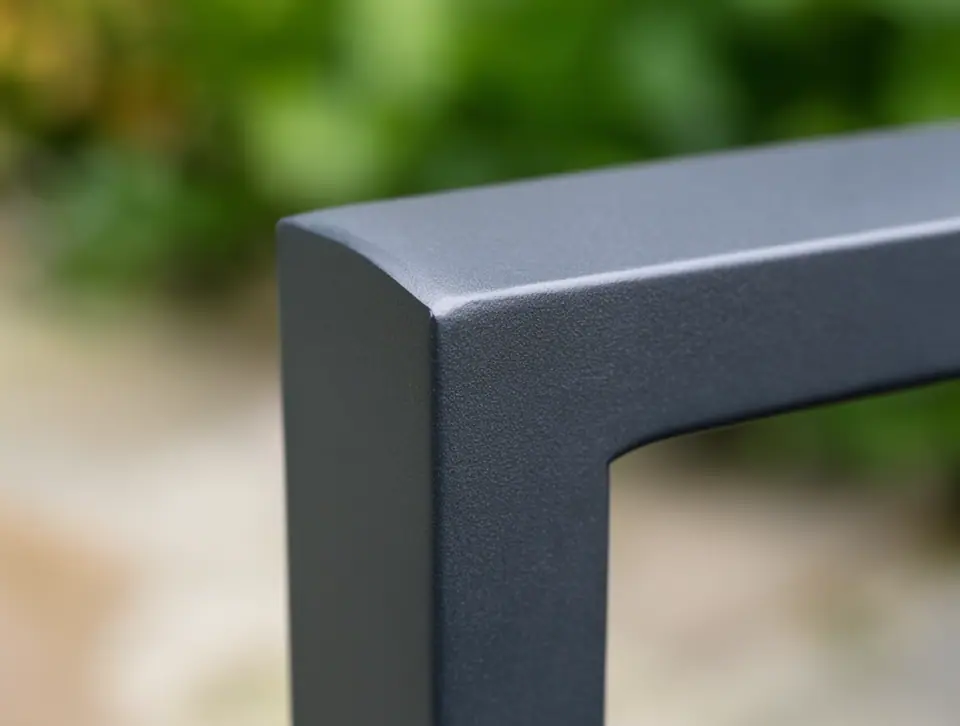
It does not rust, so it is among the easiest to leave out. It can oxidise and dull, and powder coating can chip if knocked. Wipe it down and touch up chips. Browse aluminium garden furniture for examples.
Rattan-style weave
The synthetic weave resists moisture. The frame underneath may be aluminium or steel, which is the part to check. An aluminium frame makes year-round use reasonable, and a steel frame needs its coating inspected.
Steel and iron
Steel rusts wherever the coating is broken, and cold, damp weather speeds that up. Cover it, touch up chips quickly and store folding steel chairs under cover if you can.
Hardwood
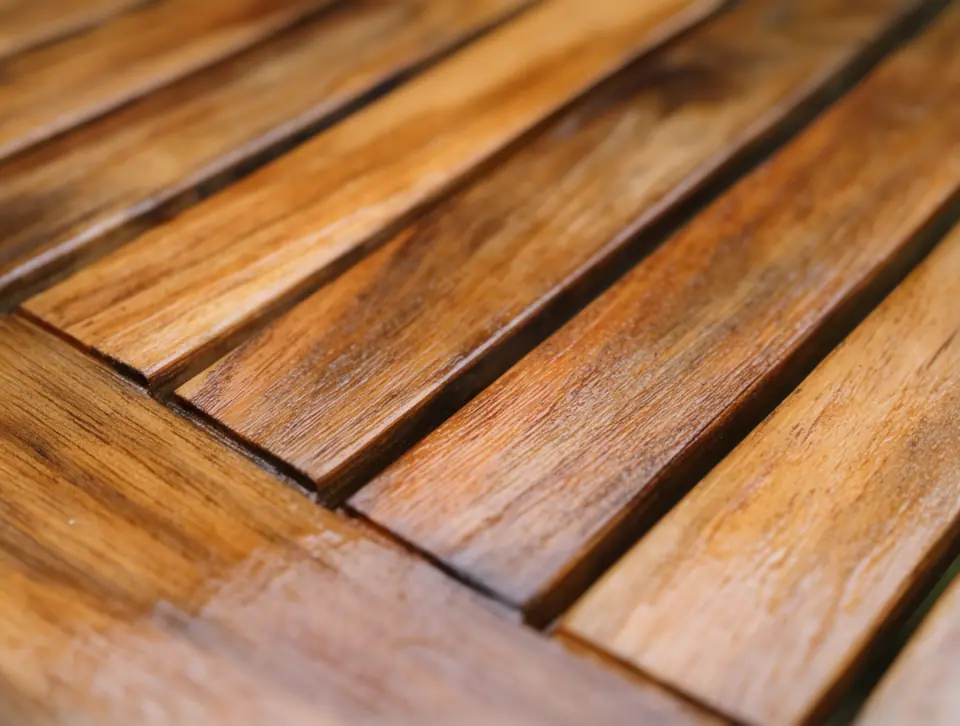
Teak and acacia can stay outdoors, and both weather to silver-grey unless treated. Acacia generally needs more upkeep than teak. Water pooling in joints or under feet causes trouble, so lift the legs off damp ground.
Glass and ceramic tops
These are fine outside, but standing water and frost can harm the frame under them. Check the fixings and drainage.
| Material | Can it stay out? | Main risk | Sensible step |
|---|---|---|---|
| Aluminium | Usually yes | Chipped coating and oxidation | Wipe, touch up and cover |
| Weave on aluminium | Usually yes, with cushions in | Mildew on cushions | Store cushions and cover the frame |
| Weave on steel | With care | Rust at scratches | Check the coating and raise the feet |
| Steel | Better covered or stored | Rust | Treat chips and cover |
| Hardwood | Yes, with expectations | Greying, splits and damp feet | Decide on sealer or weathering, and cover |
Can rattan furniture stay out in the rain?
Yes, the weave is made for it. Rain runs off synthetic strands and the weave dries quickly in the open air. The concern is what lies beneath. Water that reaches a damaged steel frame causes rust, and water that sits in a cushion causes mildew. Wipe away standing water and keep an eye on the joints after a wet spell. Natural cane is a different matter, as it is not suited to weather. Frost can make a damp weave brittle, so avoid bending or sitting on frozen furniture until it has thawed. See rattan garden furniture to check how the weave and frame are described.
Can you leave garden furniture cushions outside?
You can for a short spell in dry weather, but not through autumn and winter. Even water-resistant fabric can hold moisture in the filling, and that grows mildew and spoils the shape. Bring cushions in or store them in a ventilated deck box. Use a damp-free cupboard and not a sealed plastic bag. When they tire, replacement cushions are a simple fix.
Do covers make a difference?
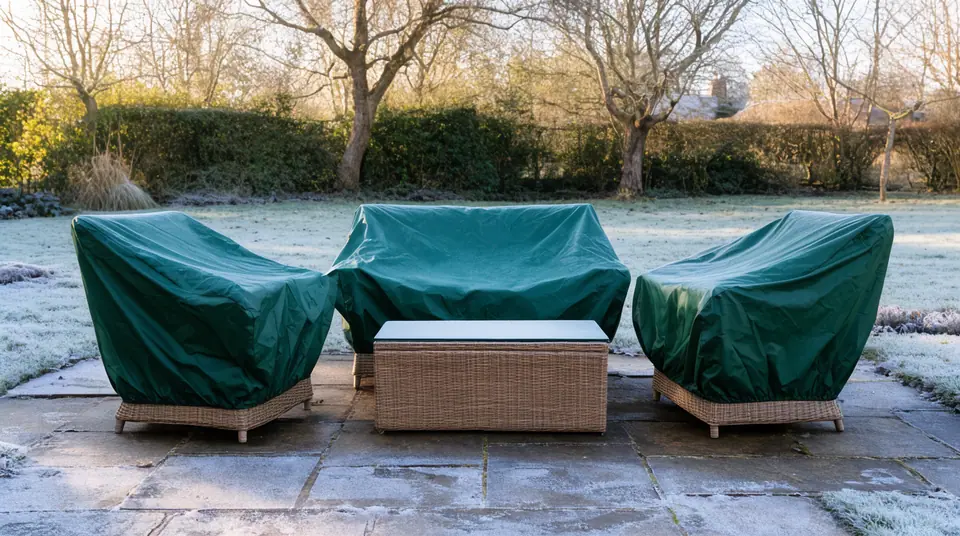
A good cover keeps off rain, leaves and bird droppings, and it softens the low winter sun. Pick a breathable one, because a plastic sheet traps condensation. It should fit snugly and have ties or straps so it does not turn into a sail in a gale. Fit it only to dry furniture, or you will trap moisture inside. Cheap covers can split along the seams after one winter, so look for reinforced stitching and a drawcord hem. Take it off on dry days to let the furniture breathe. Our outdoor furniture covers come in sizes for most sets.
How should you prepare furniture you plan to leave out?
Give it a good wash in autumn and let it dry fully. Touch up any chipped coating, because winter damp finds weak spots quickly. Stand the feet on pads or slabs so they do not sit in puddles, and tighten the screws, as frost and wet loosen fixings over a season. Then fit a breathable cover with straps and take the cushions indoors.
Check under the cover every few weeks. A quick look for damp or green growth takes a minute and catches trouble early.
What else affects how furniture ages?
Exposure plays a big part. A sheltered patio is kinder than a windswept hillside or a coastal garden. Ground matters too. Soil and lawn stay damp and mark feet, while paving or decking is better, and pads help.
Trees add sap, leaves and droppings, which means extra cleaning. Frost is a quieter risk, because water trapped in tubular frames can freeze, so look for end caps and drainage holes.
Wind and snow need a thought as well. Light chairs can blow over and scratch paving or each other, so stack or tie them together. Brush snow off covers before it freezes into a heavy crust that strains the seams.
When is it worth bringing furniture indoors?
If you have a shed, garage or lean-to, storing furniture there over winter extends the life of almost any material. When you cannot store the whole set, give priority to cushions, folding chairs and steel pieces. Our guide to protecting outdoor furniture in winter covers the steps.
If you know the set will stay out, put the material first when you buy, and expect to give it a wash each spring.